
Have you ever noticed a change in your heart after spending time in prayer or growing closer to God? Maybe you felt more patient, kinder, or calmer than before. The Bible describes these changes as the fruit of the Spirit. They are signs of God’s Spirit working gently inside a believer’s life.
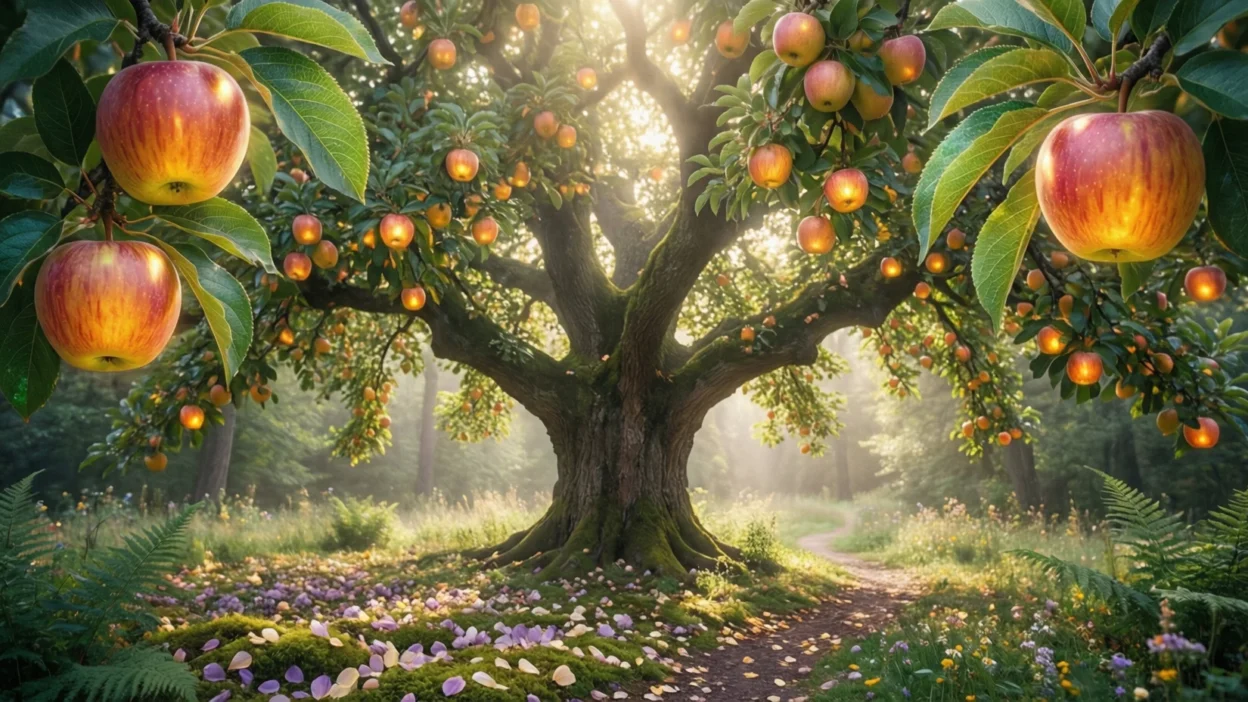
The fruit of the Spirit is not about trying harder or becoming perfect. It is about spiritual growth that comes naturally when someone walks closely with God. Just as a healthy tree produces good fruit, a life connected to the Holy Spirit begins to reflect God’s character.
Many Christians wonder what these fruits really mean and how they show up in daily life. Understanding the biblical meaning of the fruit of the Spirit brings encouragement, clarity, and hope for anyone seeking to grow in faith.
So what does the Bible really say about the fruit of the Spirit?
Biblical Meaning of the Fruit of the Spirit
The biblical meaning of the fruit of the Spirit refers to the visible character traits produced in a believer’s life by the Holy Spirit as they live in obedience and faith toward God.
The Bible lists these fruits clearly.
“But the fruit of the Spirit is love, joy, peace, patience, kindness, goodness, faithfulness, gentleness, and self-control.” (Galatians 5:22–23)
These are not human achievements. They are the work of God’s Spirit living within a believer.
Why the Fruit of the Spirit Matters
The fruit of the Spirit shows the difference between living by the flesh and living by the Spirit.
Biblically, these fruits:
Reflect God’s character
Show spiritual maturity
Guide Christian behavior
Strengthen relationships
Bring inner peace
They are evidence that faith is alive and growing.
Love
Love is the first fruit and the foundation of all the others.
Biblical love is selfless and patient. It seeks the good of others and reflects God’s love for humanity.
“Love one another as I have loved you.” (John 13:34)
This love flows from God, not from human effort.
Joy
Joy is deeper than happiness. It remains even during hard times.
Biblical joy comes from trusting God, not from circumstances.
“The joy of the Lord is your strength.” (Nehemiah 8:10)
Joy reminds believers that God is always present.
Peace
Peace is calm confidence in God’s control.
This peace:
Calms anxiety
Guards the heart
Brings rest to the soul
“And the peace of God… will guard your hearts and your minds.” (Philippians 4:7)
Patience
Patience teaches believers to wait on God without anger or frustration.
It grows through trust and humility and reflects God’s long-suffering nature toward humanity.
Kindness
Kindness is gentle care toward others.
Biblically, kindness shows God’s compassion through everyday actions, words, and attitudes.
Goodness
Goodness reflects moral integrity and a desire to do what is right.
It flows from a heart aligned with God’s will and truth.
Faithfulness
Faithfulness means staying loyal and steady in trust toward God.
It shows commitment, reliability, and devotion in both faith and relationships.
Gentleness
Gentleness is strength under control.
Jesus described Himself as gentle, showing that humility and power can exist together.
Self-Control
Self-control allows believers to resist temptation and make wise choices.
It comes from relying on the Spirit, not personal strength.
Spiritual Significance and Symbolism
Spiritually, the fruit of the Spirit represents:
Inner transformation
God’s presence within
Christian maturity
A living faith
Spiritual awakening
These fruits grow over time as believers remain connected to God.
Fruit of the Spirit in Daily Life
The fruit of the Spirit appears in everyday moments.
It may look like:
Responding calmly to stress
Showing kindness to others
Choosing forgiveness
Trusting God during trials
Living with peace and joy
These small actions reveal God’s work in the heart.
Fruit of the Spirit in Dreams or Reflection
Some people dream of fruit, growth, or light. Biblically, such imagery may reflect:
Spiritual growth
God’s encouragement
Inner healing
A call to deeper faith
These experiences often point toward personal transformation through God’s Spirit.
Key Characteristics of the Fruit of the Spirit
1. They Come From the Holy Spirit
They are God’s work, not human effort.
2. They Grow Over Time
Spiritual fruit develops gradually.
3. They Reflect God’s Character
Each fruit mirrors God’s nature.
4. They Shape Christian Living
They guide actions and attitudes.
5. They Glorify God
Fruit-filled lives point others to Him.
Practical Lessons & Faith Insights
Stay connected to God through prayer and Scripture. Do not rush spiritual growth. Trust the Holy Spirit to shape your heart daily. True transformation comes from walking with God, not striving alone.
Conclusion
The biblical meaning of the fruit of the Spirit reveals God’s desire to transform believers from the inside out.
These fruits are signs of a living faith and the presence of the Holy Spirit. As believers grow closer to God, their lives naturally reflect love, peace, and spiritual maturity that brings glory to Him.

Ava Morgan is a fresh and energetic writer who covers creativity, digital culture, and modern lifestyle topics for Dreamfys. She loves discovering new ideas and sharing them in a friendly, relatable way. Ava aims to inspire readers to explore their passions, try new things, and enjoy the creative side of life.