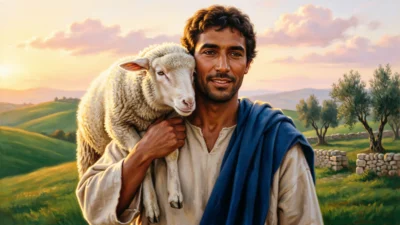

The Parable of the Prodigal Son is one of the most well-known and powerful teachings of Jesus. Found in Luke 15, it reveals deep truths about sin, repentance, forgiveness, and the heart of God. More than a simple family story, it illustrates the nature of God’s mercy and the joy of restoration.
Understanding the biblical meaning of the Prodigal Son helps believers see how God responds to repentance and how His grace extends to both the rebellious and the self-righteous.
Biblical Meaning of the Prodigal Son
The biblical meaning of the Prodigal Son is a powerful illustration of God’s unconditional love, mercy, and readiness to forgive those who genuinely repent and return to Him.
“But while he was still a long way off, his father saw him and was filled with compassion for him.” (Luke 15:20)
The parable shows that no matter how far someone strays, God welcomes them back with grace.
Summary of the Parable
Jesus tells the story of a younger son who asks for his inheritance early and leaves home. He wastes his wealth in reckless living and eventually falls into poverty. Realizing his mistake, he returns home, prepared to be treated as a servant.
Instead of rejection, the father runs to embrace him, restores him fully, and celebrates his return. Meanwhile, the older brother becomes resentful, highlighting another spiritual lesson.
The Meaning of the Younger Son
The younger son represents those who rebel against God. He symbolizes humanity’s tendency to seek independence and pleasure apart from the Father.
His return demonstrates repentance—recognizing sin, turning back, and humbly seeking forgiveness.
The Meaning of the Father
The father represents God.
He is patient, compassionate, and eager to forgive. His act of running toward his son reveals God’s deep desire for reconciliation rather than punishment.
The Meaning of the Older Brother
The older brother represents those who appear outwardly obedient but struggle with pride and self-righteousness.
His reaction shows that grace can be difficult to accept when someone believes they have earned favor through their own efforts.
Repentance and Restoration
The parable emphasizes that repentance leads to restoration.
“I have sinned against heaven and against you.” (Luke 15:18)
True repentance includes humility and acknowledgment of wrongdoing.
God’s Joy Over Repentance
The celebration in the story highlights heaven’s joy when someone returns to God.
Jesus told this parable in response to religious leaders who criticized Him for welcoming sinners. The message is clear: God delights in mercy.
Spiritual Significance of the Prodigal Son
Spiritually, the Prodigal Son represents:
Human rebellion and repentance
God’s unconditional love
Restoration through grace
Freedom from guilt
Joy in salvation
It reveals the heart of the gospel message.
The Prodigal Son in Daily Christian Life
Believers may see themselves in both sons at different times—wandering away or struggling with pride. The story encourages continual repentance, humility, and trust in God’s mercy.
It also challenges Christians to reflect God’s welcoming love toward others.
Key Characteristics of the Prodigal Son Parable
1. It Highlights Rebellion and Repentance
The younger son’s return models humility.
2. It Reveals God’s Compassion
The father runs to restore.
3. It Exposes Self-Righteousness
The older brother struggles with grace.
4. It Celebrates Restoration
Repentance brings joy.
5. It Illustrates the Gospel
Grace triumphs over sin.
Practical Lessons & Faith Insights
The Prodigal Son teaches that no one is beyond redemption. It also warns against pride and judgment. God’s mercy is greater than failure, and His grace restores completely.
Conclusion
The biblical meaning of the Prodigal Son reveals God’s loving heart toward sinners who repent. It assures believers that forgiveness and restoration are always available through humility and faith.
This parable continues to inspire hope, reminding us that God eagerly welcomes those who return to Him.

Jacob Reed is a tech-minded writer with a passion for breaking down complex ideas into simple, helpful content. With years of experience exploring digital trends, apps, and online tools, Jacob focuses on creating guides that make technology easier for everyone. At Dreamfys, he writes clear, practical articles designed to help readers learn, grow, and stay inspired.