
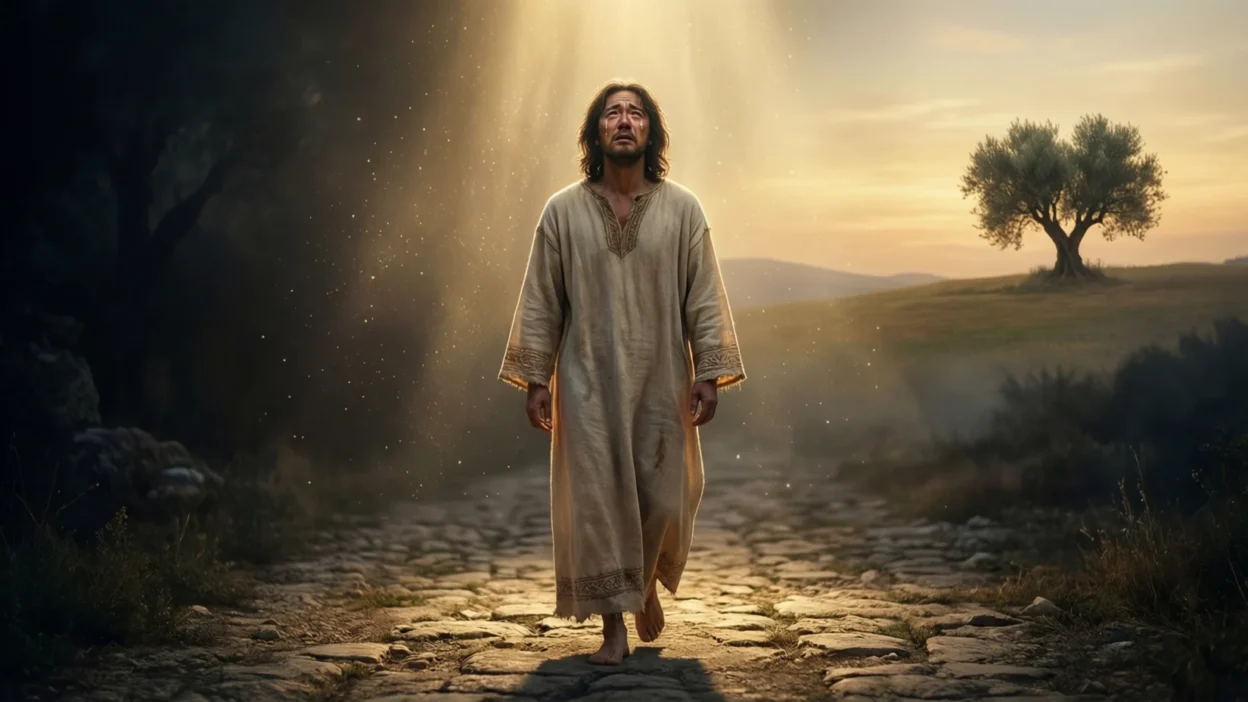
Repentance is a word many people hear in church, in sermons, or in the Bible. But what does it really mean? In Scripture, repentance is more than saying “I’m sorry.” It is a deep and honest turning of the heart.
It is choosing God’s way instead of our own.In the Bible, repentance brings healing, forgiveness, and a fresh start. When people repent, they open the door for God to change their lives.
Understanding the biblical meaning of repentance helps us see how God lovingly calls His people back to Him.
Biblical Meaning of Repentance
In the Bible, repentance means turning away from sin and turning toward God with a sincere heart. It involves a change of mind, a change of direction, and a desire to live in a way that honors God.
The Hebrew word “teshuvah” means to return, and the Greek word “metanoia” means to change your mind. Together, they show that repentance is not just a feeling—it is a complete shift in the heart and life.
Repentance includes:
- Admitting the wrong
- Feeling genuine sorrow
- Turning away from harmful choices
- Seeking God’s forgiveness
- Beginning a new path
Repentance pulls us away from what hurts us and leads us back to God’s love.
Repentance in the Old Testament
Prophets called Israel to repent so they could be restored. God always showed mercy when His people turned back to Him.
Repentance in the New Testament
John the Baptist preached, “Repent, for the kingdom of heaven is near.”
Jesus also called people to repent and follow Him. Through Christ, repentance leads to new life and forgiveness.
Key Characteristics of Repentance
1. It Begins in the Heart
True repentance starts inside. It is honest, humble, and sincere.
2. It Leads to Change
Repentance shows itself through new actions—better choices, kinder words, and a renewed life.
3. It Brings Forgiveness
God promises to forgive those who turn back to Him with an open heart.
4. It Restores Relationship With God
Repentance removes distance and draws a person closer to God’s presence and peace.
5. It Is a Continuous Journey
Repentance isn’t only for big moments—it is part of daily growth and spiritual maturity.
Spiritual Significance of Repentance
Repentance brings healing, peace, and spiritual freedom. It reminds believers that God’s love is greater than any mistake. When a person turns back to God, He offers a new beginning.
Repentance strengthens faith because it teaches trust, honesty, and humility. It helps believers grow in character and walk more closely with God.
Repentance in Daily Life
Repentance can show up in simple, everyday ways:
- Feeling convicted about unkind words
- Apologizing with sincerity
- Choosing to forgive
- Letting go of harmful habits
- Asking God for strength to change
These small steps show a heart that wants to follow God more closely.
Repentance in Dreams or Spiritual Moments
If someone dreams about cleaning, washing, or walking on a new path, it can symbolize repentance or spiritual renewal.
If someone feels a strong desire to start fresh or let go of something harmful, God may be calling them to deeper repentance.
These moments are gentle reminders that God is always ready to guide and restore His people.
Practical Faith Lessons
Repentance teaches believers to stay honest before God, trust His mercy, and continue growing. Turning back to God brings peace, strength, and a renewed heart each day.
Conclusion
The biblical meaning of repentance shows that God desires to bring His people closer to Him. Repentance is not a punishment it is an invitation to grace, healing, and transformation. When believers turn toward God with sincere hearts, they find forgiveness, hope, and a fresh beginning through His love.

Ava Morgan is a fresh and energetic writer who covers creativity, digital culture, and modern lifestyle topics for Dreamfys. She loves discovering new ideas and sharing them in a friendly, relatable way. Ava aims to inspire readers to explore their passions, try new things, and enjoy the creative side of life.